
Acne is one of the most common skin concerns and can affect teenagers and adults alike.
For some people, occasional breakouts are relatively mild. For others, acne can become persistent, inflammatory and difficult to manage with skincare products alone.
Understanding what is happening within the skin is an important first step towards choosing an appropriate treatment approach.
What Causes Acne?
Acne develops when hair follicles become blocked by a combination of:
- Excess oil, or sebum
- Dead skin cells
- Follicular congestion
- Bacterial activity
- Inflammation
The hair follicle and sebaceous gland together form what is known as the pilosebaceous unit.
When dead skin cells do not shed normally, they can combine with sebum and form a blockage within the follicle.
This creates an environment in which Cutibacterium acnes bacteria can multiply, potentially contributing to inflammation.
Different Types of Acne
Non-Inflammatory Acne
This commonly includes:
- Blackheads
- Whiteheads
- Closed comedones
- Congested pores
These occur when follicles become blocked without significant inflammation.
Inflammatory Acne
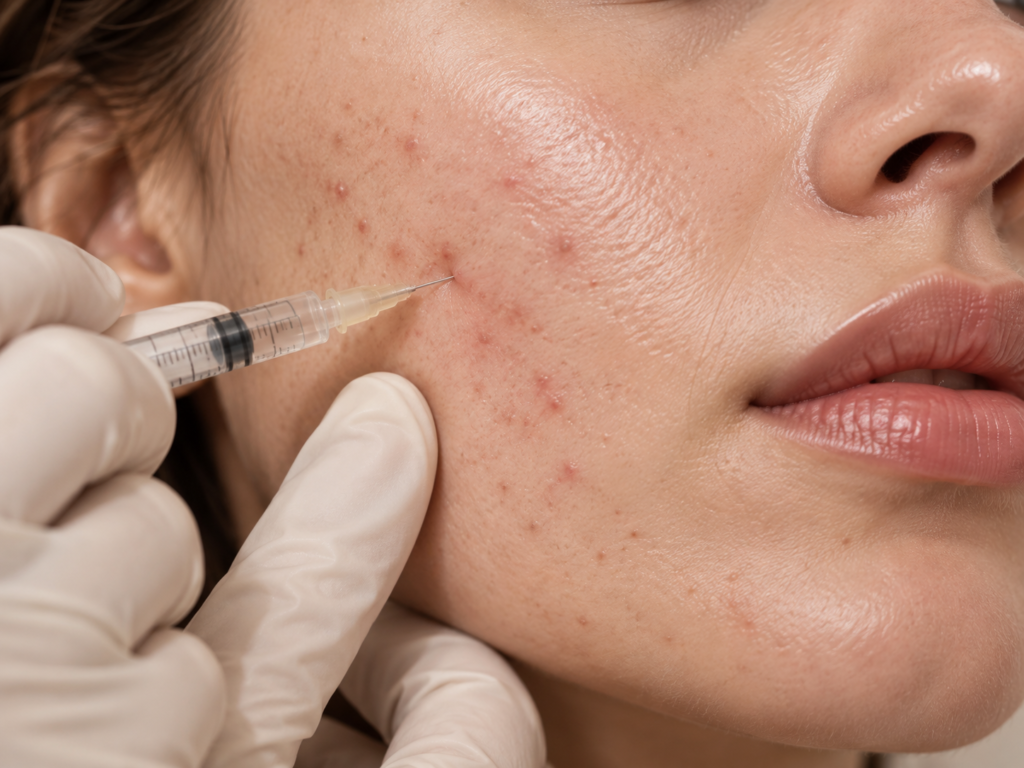
Inflammatory acne may include:
- Red papules
- Pustules
- Tender inflammatory lesions
- Deeper nodules
More severe or persistent acne should be assessed appropriately before treatment.
Where Can Acne Develop?
Although facial acne is most common, breakouts can also occur on:
- Neck
- Chest
- Shoulders
- Upper back
- Jawline
Body acne may require a different treatment strategy from facial acne.
What Can Trigger Breakouts?
Hormonal Changes
Androgen hormones can stimulate sebaceous glands and increase oil production.
This is one reason acne may become more noticeable during particular hormonal stages.
Excess Oil Production
Higher levels of sebum can contribute to follicular congestion.
Slow Skin-Cell Turnover
When dead skin cells remain within the follicle instead of shedding normally, pores can become blocked.
Stress and Lifestyle Factors
Stress, skincare products and certain lifestyle factors may influence breakouts in some people.
The causes of acne vary between individuals, so treatment should not rely on a single assumption.
Professional Treatment Options for Active Acne
Treatment depends on the type and severity of the acne.
At The AURM Clinic, available approaches may include professional skin treatments designed to support clearer and more balanced skin.
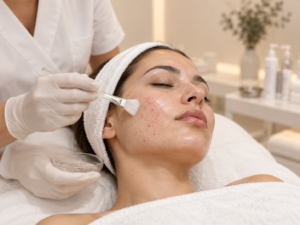
Anti-Acne Chemical Peels
Professional chemical exfoliation using ingredients such as salicylic or glycolic acid may help reduce pore-clogging debris and improve surface texture.
The strength and type of peel should be selected according to the skin.
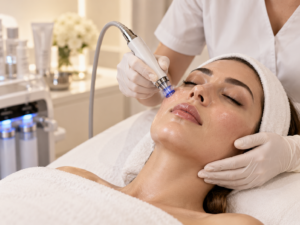
Deep Cleansing and Hydro-Facial Treatments
Hydro-facial technology can be used to cleanse the skin and remove trapped surface impurities while applying professional serums.
These treatments may be useful for congestion and general skin maintenance.
PDT Light Therapy and High Frequency
Light-based and high-frequency treatments may form part of a professional acne-management pathway.
Treatment suitability depends on the individual and the type of acne present.
Gold Carbon Peel
A carbon-based laser treatment uses liquid carbon to absorb oil and impurities from the skin before laser energy interacts with the carbon.
It may be considered for clients with oily or congested skin where clinically appropriate.
Why Consultation Matters
There is no universal acne treatment.
A person with primarily blackheads and congestion may require a different plan from someone experiencing painful inflammatory breakouts.
A consultation can assess:
- Acne type
- Severity
- Skin sensitivity
- Current skincare
- Previous treatments
- Potential triggers
- Treatment suitability
This helps create a more appropriate treatment pathway.
When Might You Notice Improvement?
Some clients may notice reduced surface inflammation within approximately 7–14 days, depending on the treatment used and individual response.
More significant improvement may require a series of tailored sessions.
Acne is often a long-term skin concern, so ongoing skin management may be required.
Can Acne Be Treated Without Damaging the Skin?
The aim of professional acne treatment is not aggressive irritation.
Over-treating the skin may compromise the skin barrier and increase sensitivity.
An appropriate plan should balance exfoliation, cleansing, treatment of congestion and barrier support.
Start With a Professional Assessment
If you are experiencing persistent acne, congestion or recurring breakouts, professional assessment can help determine which treatment options may be appropriate.